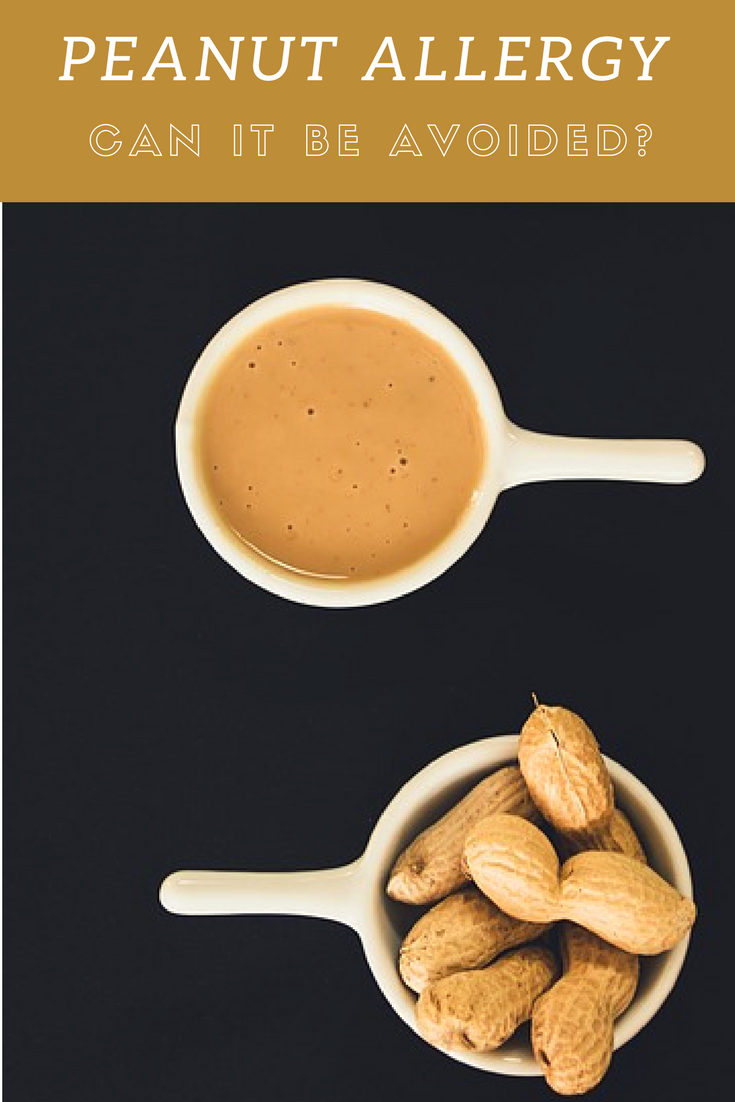
Peanut allergies, long thought mythical by uninformed folks who do not have the "luxury" of experiencing them in their own families, are all too real, and the results can be devastating.Time reports that of the roughly 3.3 million Americans who have nut allergies, there are around 150 deaths each year from related illnesses.While that is a relatively small amount percentage-wise, it does not express the horror of watching your child rapidly flare up from passing contact.It does not show the terror of his airways closing and being unable to draw a breath. It does not demonstrate the fear that a simple birthday party could turn into a life-threatening situation.

A Mother's Terror
The horror of dealing with peanut allergies is best described in the words of an actual mother who has to deal with it every day. Blogger

 image

Is It Food Tolerance or Food Allergy?

Before digging deeper into the reality of peanut allergies, it is important to dispel misconceptions about what peanut allergies or any food allergies  actually are.As we are about to discuss in more depth, food allergies are assaults on the immune system. Food intolerances are when you have issues digesting certain foods."Lactose intolerance," which is an intolerance of milk and other dairy products, is one of the most common forms; and it used to be deadly.That is because infants with lactose intolerance had no way of getting the nourishment they needed to grow and develop. Thankfully, we have developed alternative foods that can be more easily tolerated while dispensing the proper nutrients, and it has been a very long time since a The Cause of Peanut Allergies
The cause of peanut allergies is simple to explain your immune system acting up though we are not quite sure why it happens this way. To shed some light, you would have to solve every mystery of this particular portion of human biology.What happens to cause peanut allergies to flare up, is this: your body's immune system (aka what fights off disease and infection) mistakenly identifies proteins in the peanuts as outside invaders.The immune system then overreacts, essentially creating a self-fulfilling prophecy.Peanut allergies can be slight to severe and even deadly, so knowing how you come into contact with them is vital. As the Direct Contact
In other words, you eat peanut butter, brush up against peanuts at one of those fancy steakhouses, or consume some kind of dessert that has peanut in it unbeknownst to you.Direct contact is the quickest way to tell if you have peanut allergies. It also can be the most severe.

Cross-Contact

Just because direct contact is the fastest-acting way to have an allergy attack, that does not mean it is your only worry.Individuals with sensitive peanut allergies can feel the same effects through trace amounts that have rubbed off on objects or foods that ordinarily would not contain peanuts.If anything, this is scarier than direct contact because if you are a person with peanut allergies, you do not know what to avoid to stay out of trouble. Cross-contact leaves you far more vulnerable than if you knew where the peanuts were in the first place.

Inhalation

And just when you thought it could not get any more terrifying than cross-contact, along comes the inhalation factor to blow that assumption out of the water.This method usually terrorizes ultra-sensitive types who walk into a room where peanut dust or residue hangs in the air. It isn't visible, but it is hanging there waiting for someone sensitive to take a simple breath.After that, you better be reaching for the EpiPen. (More about what that is in a moment if you don't already know.)

Why Have Cases of Peanut Allergies Increased?

Twenty or 30 years ago, no one spoke much about peanut allergies, but today, it is a common fear.Parents hosting birthday parties may ask fearfully if a child with peanut allergies needs any special treats to keep from feeling left out. Parents of children with the allergy may be too scared to let their child go for fear of what they might encounter.It certainly is on the mind of parents on both sides of the coin, and the children themselves are made to feel different while learning at a very young age that their world is a pretty scary place.

But How Did It Get This Way? 

"We have done such a good job of eliminating the threats that the immune system is supposed to manage, that it's looking for something to do," said Anne Mu±oz-Furlong, CEO of the nonprofit Food Allergy and Anaphylaxis Network, in a

Getting Out Ahead of Peanut Allergies

In 2017, the National Institute for Allergy and Infectious Disease (NIAID) developed new guidelines for defining different peanut allergy risk factors, and it has proven indispensible in getting out ahead of the condition.The guidelines note that an infant at high risk of developing peanut allergy will experience severe eczema and/or food allergy to eggs. They recommend introducing foods that feature peanuts in the 4-6-month-old range for high-risk infants already on solid foods, after a medical professional has determined it's safe.Children at high risk, per the guidelines, should be observed and tested by an allergy specialist. It is important to note that a child who tests positive to peanut sensitivity will not necessarily have a peanut allergy, so don't jump to conclusions until the allergist has made a determination.To further ensure safety, tests are conducted at an allergist's office so if there are any adverse effects, they can be dealt with immediately.

image

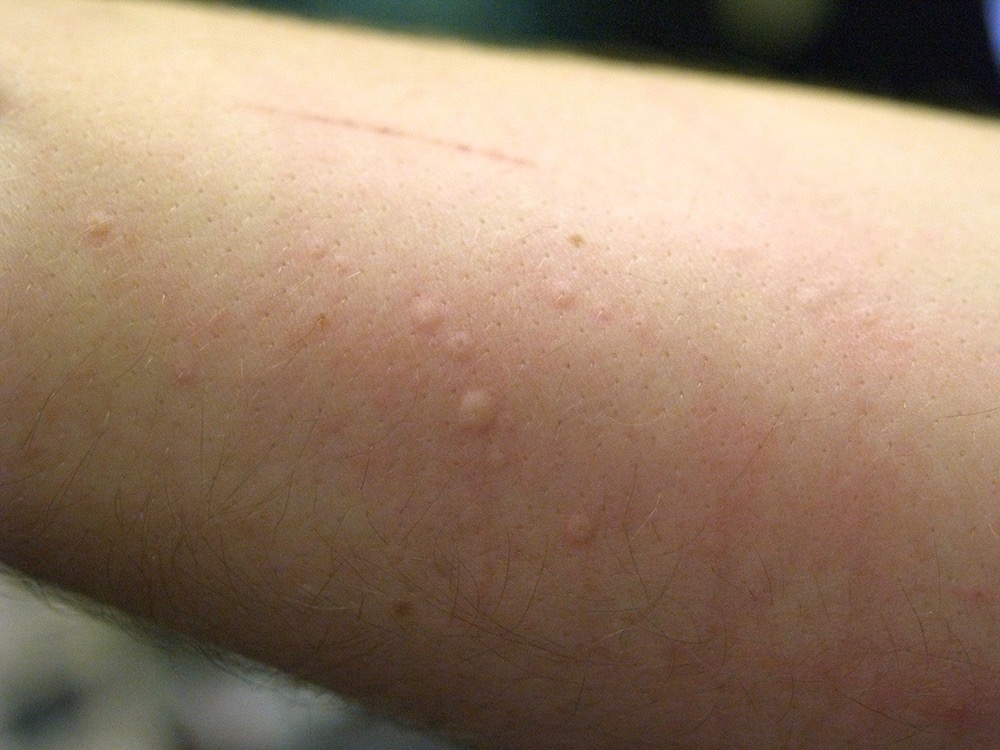
Pictured: an outbreak of hives as brought on by a reaction to peanut allergies.

Peanut Allergy Signs and Symptoms

When you hear about peanut allergies, you typically hear about them in the worst possible terms, and there is good reason for that. They're unpleasant at best and terrifying at worst, and no one knows for sure why they occur.That said, there are mild cases. In the next section, we will be looking at both.

How Peanut Allergies Look

In mild cases, peanut allergies can show up as

How Fast Peanut Allergies Can Show Up

According to

Biphasic Anaphylaxis

As

The Repercussions of Peanut Allergies
Probably the most heartbreaking thread we came across when putting together this guide is the running database of peanut and food allergy deaths being kept by the The Financial Cost of Peanut Allergies

image

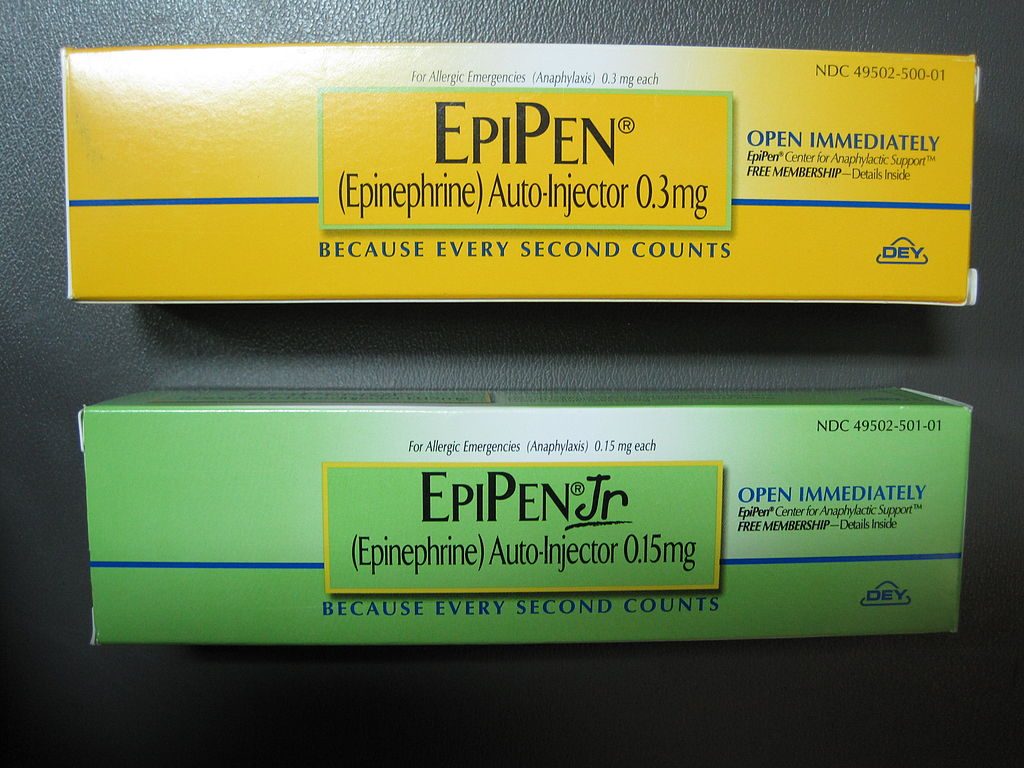
Pictured: the EpiPen is the most common treatment for severe reactions to peanut allergies, aka anaphylaxis.[/caption]

Treating the Beast

Now that we've got the scary part of peanut allergies out of the way, let's focus on the empowering part what you can do to fight back and (possibly) save your life or the life of someone close to you.Before we begin, let's say that you should not take any of this as medical advice. And never, ever, ever do anything without first discussing possible treatments with your doctor.

Prevention of Allergic Reactions

As the saying goes, an ounce of prevention is worth a pound of cure. When dealing with your peanut allergies or any food allergy for that matter the only guaranteed way to avoid the negative effects is to not have food with peanuts or whatever-allergen in them.As someone who is not personally suffering from a peanut allergy at the moment, that pretty much sucks because it a) limits choice and b) peanuts are friggin' delicious, and they are used in the creation of some of the most delicious foods.Thankfully, where many see limitation, companies have started to seize opportunity, creating a number of peanut-free stand-ins for the products that most people know and love.

6 Foods That You Can Eat If You Suffer from Peanut Allergies

  1. Chips: Popular brands include Cape Cod, Enjoy Life, Frito Lay, Herr's Baked Potato Chips, Kettle, Pirates Brand, Popchips, Pringles, Utz, and Wise. A simple search of the brand name along with "peanut free" will help you find dozens of different flavors and options.
  2. Snacks and Cookies: Popular brands include Austin, Betty Crocker, Keebler, Kraft, Nabisco, Pepperidge Farms, P&G, and Sunshine. Word of warning, though, and this should apply to each bullet point: many of these companies make both peanut and peanut free products. Make sure you know what you are getting before digging in or serving them to someone with a peanut or tree nut allergy.
  3. Cereal: Popular brands include Cascading Farms, Enjoy Life, Freedom Foods, General Mills, Kashi, Kellogg, Post, Quaker Oats, and Uncle Sam.
  4. Ice Cream Bars: Popular brands include Blue Bunny, Breyers, Dole Fruit Bars, Edy's, Flavorice, Good Humor, Icee, Luigi's Real Italian Ice, Minute Maid, PhillySwirl, and Popsicle Brand.
  5. Nutritional/Energy Bars, Toaster Goods: Popular brands include Don't Go Nuts Energy Bars, Enjoy Life, Kellogg's, Made Good Granola Bars, Nature's Path Organic Toasted Pastries, and Special K.
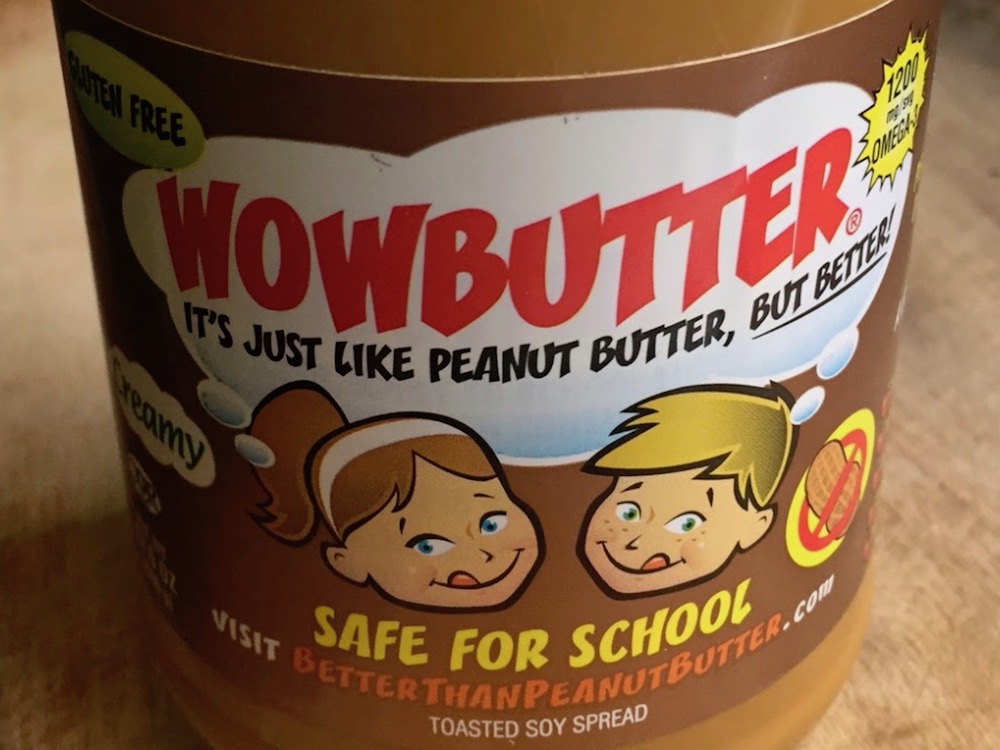
  6. Peanut Butter Alternatives: Popular brands include Don't Go Nuts Soy Butter, Serbs Sea Salted Butters, I.M. Healthy SoyNut Butter, SunButter Sunflower Seed Spread, and Wow Butter.
image

WowButter is just one of the many different peanut butter alternatives that are available for those suffering from tree and peanut allergies.[/caption]What we have just included are food types and brand names. Within each of these, you will find a variety of different products. Fortunately, the fine folks at Urban Taste Bud are keeping a running list of the variations. Almonds
  • Brazil nuts
  • Cashews
  • Chestnuts
  • Hazelnuts
  • Macadamia nuts
  • Pecans
  • Pistachios
  • Pinenuts
  • Walnuts
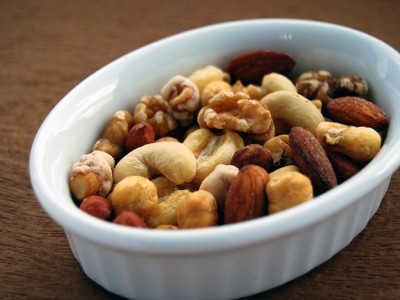
  • If you need to substitute the use of a peanut or tree nut in a recipe, consider using seeds, Peanut Allergy Medications
    If you are one of the "lucky ones," who only has a mild peanut allergy, then you may talk with your doctor about using solutions that address those symptoms.Most patients, however, will need to make peace with their epinephrine autoinjector (aka EpiPen). Epinephrine is adrenaline, and it commonly is used to combat anaphylaxis.

    In Closing

    While it is important to keep your cool and not panic whenever you come face-to-face with a peanut allergy, that's easier said than done when it's you or your child dealing with it.Nevertheless, do not panic, and stay focused on taking action. Be mindful of the different ways that peanuts can show up, and bring an EpiPen with you wherever you go.Most of all, do not look at your peanut allergies as a handicap. There are more alternative products on the market today than ever before, and companies are continuing to refine them in new and creative ways to improve taste and texture. Just train yourself to look for the alternatives.If peanut allergies are a part of your world, we wish you the best and hope the above information can help.

    Want More Home Remedies You Can Try In Your Home?

    image


    Then get yourself