
Naturally, plants need sunlight to grow and stay alive. Does this mean the shady corners of your yard are destined to remain barren and plain? Definitely not.There are a surprisingly wide variety of plants that can do well in shade, and some even prefer full shade all the time. A little strategic thinking when it comes to plant choices will enable you to have a garden with plants flourishing in every spot, both light and dark.Here are 12 possible choices for shade plants to give you some inspiration.
1. Fuchsia Bushes Reach Their Fullest Potential in Complete Shade!

There are over 100 different species of Fuchsia, but one of the most common species of this ornamental plant is Fuchsia Magellanic. The elegant, drooping flowers come in several different varietals. Now, it's possible to grow a fuchsia in stark sunlight.However, according to Ron Monnier of Monnier's Country Gardens in Woodburn, Oregon, fuchsia grows much better in the shade. Shade-grown fuchsias will be larger and fluffier. This plant is best grown in USDA zones 6 through 9, and if you're lucky, you'll attract a hummingbird or two.
2. Japanese Forest Grass Is a Versatile, Low Maintenance Pick

Japanese forest grass, or Hakonechloa macra, is a semi-evergreen grassy bush used for ornamental purposes. There are several color variations, and the blades may be solid or striped.Bonnie L. Grant at Gardening Know How notes that the blades of Japanese forest grass tend to brown in the sun. Therefore, it's best planted in at least partial shade. Give this plant a try if you live in USDA zones 5 through 9. Once planted, Japanese forest grass requires very little attention.
3. Lily of the Valley: Delicate, Fragrant, and Hates the Sun

Lily of the valley scientifically named Convallaria majalis - is well known for its tiny, delicate, and fragrant perennial flowers. The magazine Better Homes and Gardens advises that lily of the valley rapidly self-sows, so although it could become invasive, it also makes good ground cover for blocked-in areas.For example, a narrow strip of ground between a wall and a sidewalk or path would make a great spot for Convallaria majalis. Lily of the valley is recommended for USDA zones 3 to 9.
4. Sweet Woodruff Makes a Pretty, Fragrant Ground Cover

Sweet woodruff, a common name for Galium odoratum, is a perennial plant that likes to be in partial to full shade. Experts at the Missouri Botanical Garden say that the plant produces sweet-smelling blooms in April and May.This is a popular choice for ground cover and borders. Sweet woodruff is ideal if you live in USDA zones 4 to 8.
5. Add Color to a Shady Patch With Astilbe

Astilbe is a genus of 18 different species. This is a perennial with beautiful, feathery plumes of flowers and fern-like leaves, great if you want a pop of color in a shady area. The Old Farmer's Almanac says that astilbe enjoys light to moderate shade.If you're planting an astilbe in moderate to full shade, which is a little more shade than it likes, you can compensate by making the soil extra-fertile this is one of the tips provided by BBC Gardener of the Decade, Katherine Crouch.
6. Why Not Plant a Refreshing Spearmint Patch?

There are over 600 species of mint, but the most popular for culinary use is spearmint, or Mentha spicata. This herb is a perennial that dies down in the winter, and it grows best in partial shade in USDA zones 1 through 5.The Herb Guide notes that spearmint is a very invasive plant, as it sends runners out from the roots. So, you should either grow it in a pot or planter, or, if you don't care about it spreading, use it as ground cover.
7. Gardenias Add an Air of Elegance

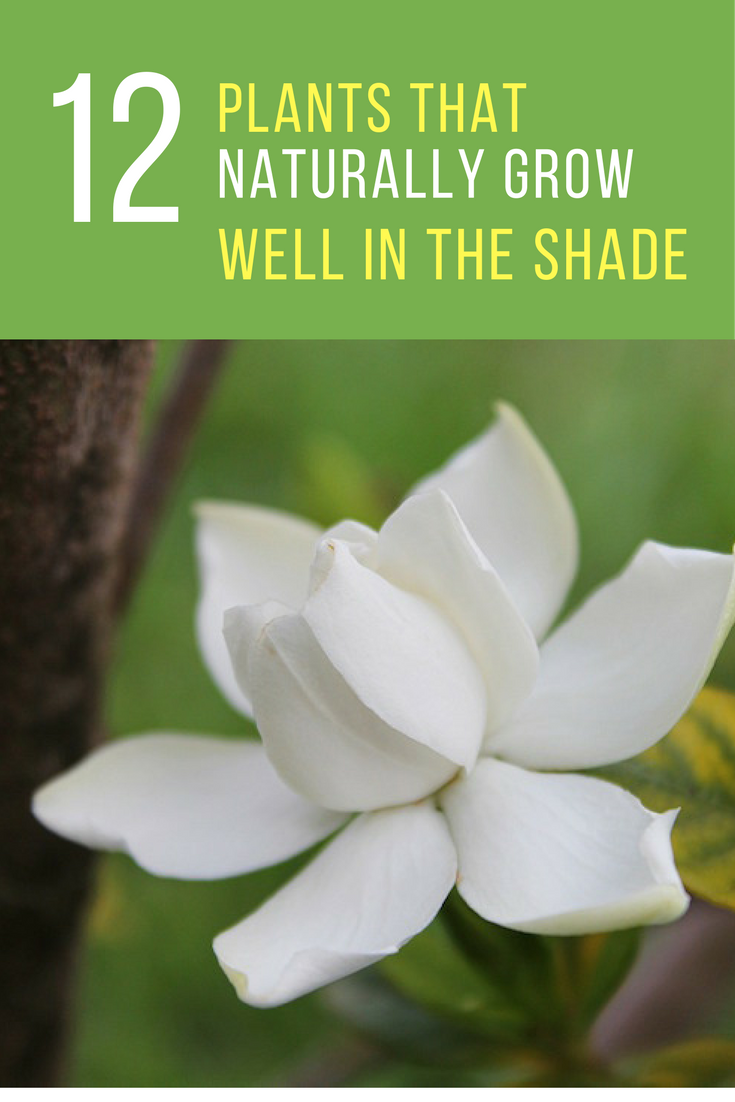
Gardenia is a genus of plant related to the coffee plant, and the term can refer to any of 140 species in the genus. What they all have in common is their elegant and intensely fragrant blooms.Most gardenias found in the United States are the species Gardenia Augusta. The magazine Southern Living notes that these evergreen shrubs can thrive in partial shade. Consider planting some gardenias if you live in USDA zones 8 through 10.
8. Hens and Chicks Do Fine on Their Own

Hens and chicks is the commonly used term for Sempervivum tectorum. Marie Iannotti from About.com explains that these evergreen succulents enjoy partial shade, are drought resistant, and require minimal care.Hens and chicks are popular for rock gardens, but you can use them for borders or however you please. This plant grows best in USDA zones 3 to 11.
9. Lemon Balm Is a Good Shade Plant if You Live in a Dry Climate

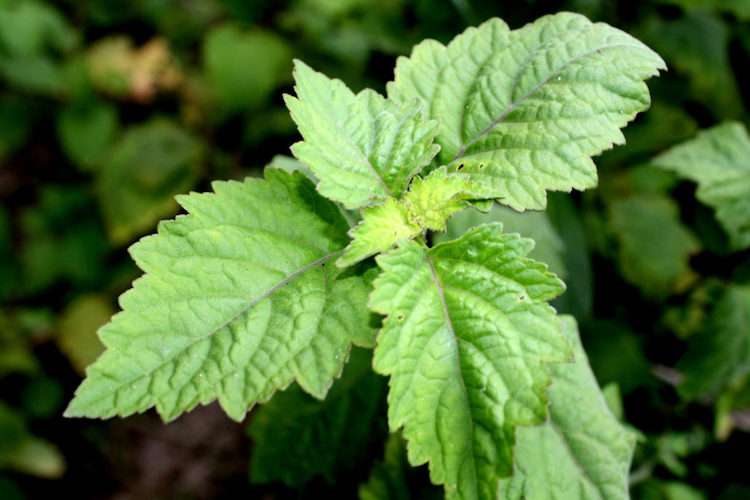
Lemon balm (Melissa officinalis) is a perennial herb in the mint family. It can be used as seasoning for food, and in folk medicine the plant is purported to have an anxiety-relieving, relaxing effect that can help with sleep.According to HerbGardening.com, lemon balm is more shade-tolerant than many other herbs, and if you live in a dry climate, partial shade is actually best. Lemon balm is suited to USDA zones 4 through 9, and it's also drought tolerant. This herb self-sows, so deadhead if you don't want it spreading.
10. English Ivy for Attracting Insects and Birds

English ivy makes a very beautiful, classic touch. According to GardenGuides.com, this plant is very invasive and can take over other plants if you let it. However, English ivy's enthusiastic growth makes it perfect for trailing over arbors, trellises, and fences.Known to science as Hedera helix, this evergreen vine has over 30 different cultivars. The flowers of English ivy attract over 70 species of nectar-feeding insects, such as butterflies, and the berries attract at least 16 species of bird. This plant is best for zones 4 through 9.
Related: These 14 Plants Actually Repel Mosquitos For You
11. Perilla Is Super-Easy to Grow

Perilla, also known as Perilla frutescens or shiso, is an herb used in Japanese cuisine. There are reddish-purple and green varieties, and it can make a nice ground cover, even if you don't end up using the plant in your kitchen.Perilla can be grown as an annual anywhere, but it can be a perennial in USDA zones 10 and 11, according to SFGATE, a sister-website of the San Francisco Chronicle.
12. Attract Hummingbirds With Aquilegia

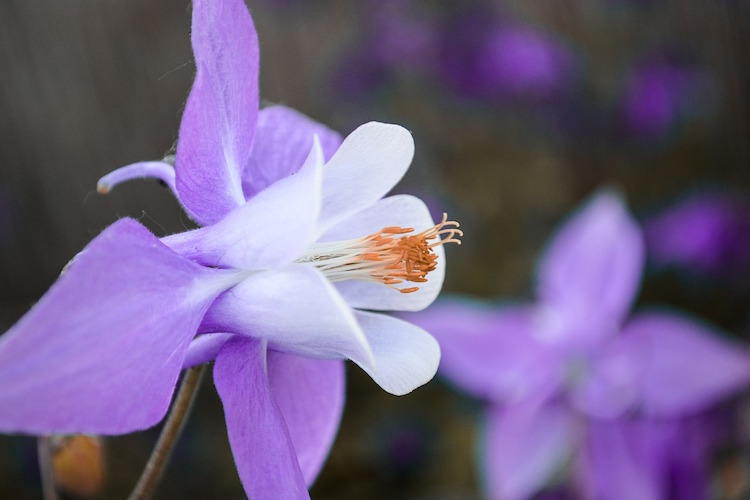
Aquilegia, sometimes known as columbine, is a genus of around 70 species of perennial flowering plants that naturally grow in meadows and woodlands throughout the Northern Hemisphere. Many Aquilegia species have strikingly beautiful flowers, and the colors range from black to white to all colors of the rainbow.According to The Garden Helper, Aquilegia is a favorite flower of hummingbirds. This is a perfect wildflower if you live in USDA zones 3 through 9. Why not give your garden a woodland touch?