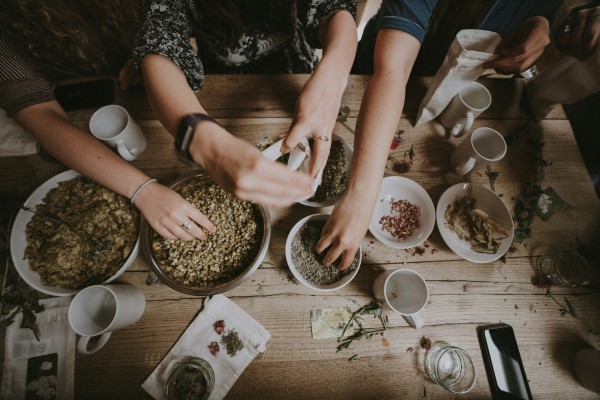

Throughout history, natural herbs and oils derived from similar plants have been used to soothe, heal, and remedy a number of ailments both physical and mental.
While we now have a plethora of pharmaceutical and medical interventions available, some tried-and-true methods introduced by alternative medicine still have a place in our kitchens and medicine cabinets.
According to Market Research Future on Reuters, the herbal medicine market is projected to reach $111 billion by the end of 2023. A large part of what appeals to so many is the absence of processing and synthetic additives, chemicals, or preservatives.
To derive the greatest benefit from herbal medicine, this guide will show what herbs and oils are best for certain symptoms and how to properly take them for their full effectiveness and safety.
Use the menu below to learn more about specific herbs and oils and how you can use them
Aloe Vera
Leaf
Africa, M. East, S. America
Symptoms
- Acne
- Arthritis
- Burns
- Canker Sores
- Dandruff
- Skin Irritation
- Sunburn
- Wounds
Method of Application
- Apply To Skin
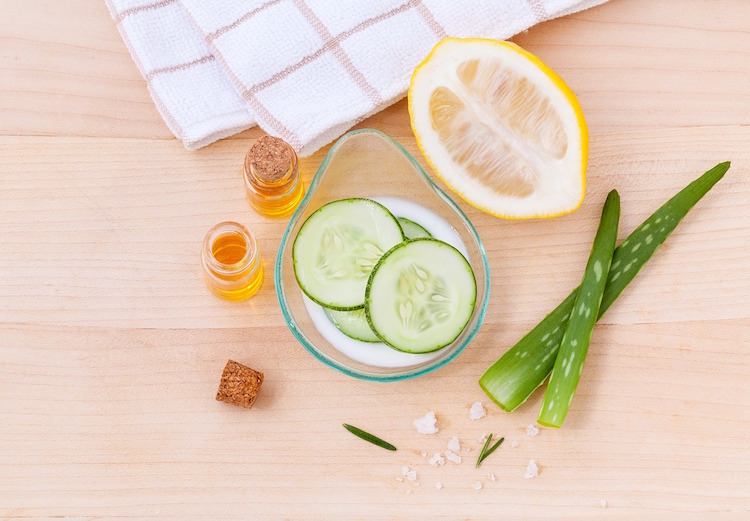
Aloe Vera is most commonly known to treat sun burns after a long day outside in the blazing sun, however the plant also holds other skin related benefits such as clearing up acne and treating skin injuries. The plant also has been shown to can antioxidants.
Ashwagandha
Root, Berry
S.E. Asia
Symptoms
- Anxiety
- Arthritis
- Asthma
- Bronchitis
- Cramps
- Menstrual
- Stress
- Wounds
Method of Application
- Apply to Skin
- Capsule
- Brew in Tea
Ashwagandha also known as Indian Ginseng has been used in Ayurvedic medicine for centuries. Interestingly, the plant's name can be broken down into two Sanskrit words; ashva, meaning horse, and gandha, meaning smell.
Birch
N. America
Symptoms
- Acne
- Arthritis
- Diabetes
- Eczema
- Fungal Infections
- Ringworm
Method of Application
- Apply to Skin
Birch oil has been used treat achy and sore muscles alongside a host of other ailments. Interestingly, the oil's scent smells similar to that of wintergreen than other oils extracted from trees.
Broadleaf Plantain
Plant
Europe
Symptoms
- Acne
- Boils
- Burns
- Cold
- Dandruff
- Diarrhea
- Fever
- Insect Bites
- Mouth Ulcers
- Sore Throat
- Skin Irritation
- Wounds
Method of Application
- Brew in Tea
- Ingest Orally
- Apply To Skin
Broadleaf Plantain, or white man's foot, is one of the most widely cultivated medicinal plants throughout the world. With a variety of uses and applications for treating differing issues, the plant is a versatile one.
Calendula
Flower
Mediterranean
Symptoms
- Diaper Rash
- Ear Infection
- Gum Disease
- Hemorrhoids
- Joint Inflammation
- Muscle Spasms
- Nosebleeds
- Varicose Veins
Method of Application
- Applied Topically
- Mix in Food
Calendula is infused into many lotions, face washes, and other topical applications because of its healing properties.
Catnip
Leaf
N. America
Symptoms
- Anxiety
- Cold
- Dandruff
- Fever
- Insect Bites
- Sleeplessness
- Stress
Method of Application
- Brew in Tea
- Apply to Skin
Catnip maybe the treat that cat owners give their cats, but the herb has been used by people treat a wide variety of ailments. However, it is more commonly known for its effects on the feline species.
Chamomile
Flower
Europe
Symptoms
- Anxiety
- Cold Sores
- Diarrhea
- Gas
- Heartburn
- Nausea
- Sleeplessness
- Upset Stomach
Method of Application
Brew in Tea
Chamomile has been used across Europe for centuries to treat a variety of issues. The herb can also be made into an oil and used most commonly in cosmetic products or aromatherapy. Interestingly, the name "chamomile" derives from the Greek word "earth apple".
Cinnamon
Asia
Symptoms
- Acne
- Arthritis
- Bad Breath
- Blood Circulation
- Diabetes
- Heart Disease
- Indigestion
- Sore Throat
- Ulcers
Method of Application
- Mix in Food
- Brew in Tea
- Apply to Skin
Cinnamon is spice harvested from the bark of Cinnamomum trees and has been used as aromatic in a variety of cuisines. Additionally, the spice was considered so valuable that is was treated as gifts reserved for kings.
Clary Sage
Mediterranean
Symptoms
- Anxiety
- Depression
- Hot Flashes
- Stress
- Menstrual Cramps
Method of Application
- Oil Diffuser
- Apply to Skin
Clary Sage not only promotes relaxation but has been shown to help problems such as stomach pain, help with menstruation, and prevent skin infections.
Clove
N. America
Symptoms
- Dry Skin
- Dry Sockets
- Insect Bites
- Joint Inflammation
- Muscle Aches
- Sore Throat
- Toothache
- Upset Stomach
Method of Application
- Oil Diffuser
- Apply to Skin
Clove was originally used as spice in a lot of 18th century cooking, but the oils harvest from the flower buds are used to topically treat arthritis and other Joint Inflammation.
Cypress
N. America
Symptoms
- Acne
- Anxiety
- Carpal Tunnel
- Cellulite
- Coughs
- Insomnia
- Muscle Cramps
- Varicose Veins
Method of Application
- Apply to Skin
Cypress trees were considered both by the Ancient Greeks and Romans to be a sacred tree that was associated with their respective goddess of wisdom; Artemis or Diana.
Dandelion
Leaf, Stem, Flower, Root
Europe, Asia
Symptoms
- Constipation
- High Cholesterol
- Indigestion
- Skin Irritation
Method of Application
- Mix in Salads
- Capsule
- Brew in Tea
Dandelion has been used in teas and mixed in with salads due to its high nutritional value; offering iron, folate and Vitamins A, C, K, and E.
Echinacea
Left, Flower, Root
Europe, N. America
Symptoms
- Boils
- Burns
- Cold
- Ear infections
- Flu
- Urinary Tract Infections
- Wounds
Method of Application
- Apply to Skin
- Capsule
- Brew in Tea
Echinacea is native to areas east of the Rocky Mountains and had been used by many First Nation tribes to treat cold and flu symptoms.
Elderberry
Berry
N. and S. America
Symptoms
- Allergies
- Cold
- Flu
- Indigestion
- Urinary Tract Infections
Method of Application
- Brew in Tea
- Capsule or Tablet
Elderberry has been traditionally used to treat the flu and other conditions for hundreds of years. It is also prominent within many culinary dishes ranging from France to Central European countries where it is found is many a delicious pastry.
Eucalyptus
Australia
Symptoms
- Allergies
- Arthritis
- Asthma
- Bronchitis
- Diabetes
- Gingivitis
- Lice
- Plaque
- Soar Throat
- Toe Nail Fungus
Method of Application
- Oil Diffuser
- Brew in Tea
Eucalyptus is most popularly known as the sole food of koalas, however, the plant has been shown to help relieve cold symptoms and used as an ingredient in many insect repellents.
Fenugreek
Leaf
Europe, Asia
Symptoms
- Arthritis
- Bronchitis
- Constipation
- Diabetes
- Ulcers
- Upset Stomach
Method of Application
- Brew in Tea
- Oil Diffuser
Fenugreek is most commonly used as an ingredient in many, many Asian dishes, however the plant has had a long history in traditional medicine from inducing labor to helping manage sugar levels in diabetics.
Feverfew
Leaf
N. America, Europe
Symptoms
- Asthma
- Dizziness
- Fever
- Headaches
- Irregular Menstrual Periods
- Nausea
- Psoriasis
Method of Application
- Capsule or Tablet
- Fresh
- Freeze-dried or Dried
Feverfew, also called bachelor's buttons, is closely related to Chamomile and like its cousin, the herb is used to offer relief to various ailments, but it can be also used a in wider variety of applications.
Frankincense
Africa, M. East
Symptoms
- Acne
- Anxiety
- Cold
- Cough
- Indigestion
- Ulcers
Method of Application
- Oil Diffuser
- Apply to Skin
Frankincense oil has been harvested for at least 6,000 years and is mentioned in the Talmud and Torah as being used for an incense offering. Additionally the oil has been used in various skin care regimes as well.
Garlic
Clove, Root, Plant
SE Asia
Symptoms
- Allergies
- Asthma
- Cold
- Diabetes
- Heart Disease
- Hemorrhoids
- High Blood Pressure
- High Cholesterol
- Flu
- Sinus Congestion
Method of Application
- Apply to Skin
- Brew in Tea
- Mix in Food
- Capsule or Tablet
Garlic not only flavors your dishes but has been proven to have multiple health benefits. Coming from Asia and making its way into the Europe this onion can now be found the world over.
Ginger
N. America
Symptoms
- Arthritis
- Eczema
- Inflammation
- Headache
- Joint Inflammation
- Menstrual Cramps
- Migraine
- Nausea
- Sore Muscles
- Stress
- Vomiting
Method of Application
- Oil Diffuser
- Brew in Tea
Ginger has been used as both within Asian cuisine and traditional medicine for thousands of years. More specifically, the oil of the ginger root used a topical analgesic.
Ginkgo
Leaf
Asia
Symptoms
- Arthritis
- Asthma
- Cold
- Dementia
- Focus
- Irritable Bowel Disease
- Memory
- Tinnitus
Method of Application
- Extract
Ginkgo is not only one of the oldest cultivated herbs in human history, but also one of the oldest herbs period. Ginkgo has been found in fossils that have been dated 270 million years old.
Ginseng
Root, Leaf
N. America
Symptoms
- Allergies
- Diabetes
- Eczema
- High Blood Sugar
- High Cholesterol
- Skin Irritation
- Stress
Method of Application
- Mix in Food
- Brew in Tea
- Capsule
Ginseng is widely used in teas because of its beneficial antioxidants and anti-inflammatory properties.
Goldenseal
Root
N. America
Symptoms
- Blisters
- Cold
- Cold Sores
- Constipation
- Diarrhea
- Fever
- Gastritis
- Hemorrhoids
- Intestinal Gas
- Peptic Ulcers
- Respiratory Tract Infections
- Skin Inflammation
Method of Application
- Mix in Food
- Brew in Tea
- Capsule
Goldenseal was originally used by First Nation tribes both as medicine and as a coloring agent by the time European colonization.
Grapefruit
N. America
Symptoms
- Anxiety
- Acne
- Excessive Weight Gain
- Stress
Method of Application
- Oil Diffuser
- Brew in Tea
- Apply to Skin
Grapefruit is often thought as a fruit to be enjoyed during breakfast, however the fruit's oil is often used for aromatherapy purposes to reduce stress and promote a sense of relaxation.
Jojoba
N. America
Symptoms
- Acne
- Dry Skin
- Eczema
- Psoriasis
- Sunburn
- Wrinkles
Method of Application
- Apply to Skin
Jojoba is native to the desert regions of N. America and has been used as both medicine and as a food stock of the First Nation tribes that inhabited the region.
Lavender
Flower, Stem
Mediterranean
Symptoms
- Anxiety
- Depression
- Headache
- Sleeplessness
- Stress
Method of Application
- Brew in Tea
- Apply to Skin
- Oil Diffuser
Lavender is famed for its lovely scent and color, inspiring artists the world over. Most commonly used in aromatherapy, the plant encourages a sense of well being and relaxation.
Lemon
SE Asia, S. America
Symptoms
- Anxiety
- Cold Sores
- Cough
- Indigestion
- Nausea
- Skin Irritation
- Stress
Method of Application
- Apply to Skin
- Oil Diffuser
Lemon originally grew in northern India and is a hybrid between a sour orange and citron. While its been used to flavor dishes and cleaning products, the fruit has been used for its oil within aromatherapy.
Lemongrass
Asia
Symptoms
- Acne
- Arthritis
- Athlete's Foot
- Dehydration
- Diarrhea
- Headaches
- High Cholesterol
- Indigestion
- Muscle Aches
- Nausea
- Pneumonia
- Stress
- Ulcers
Method of Application
- Oil Diffuser
- Brew in Tea
Lemongrass comes from the Greek word meaning sweet root; having been using in various traditional medicine practices to "harmonize" the ingredients into something a bit more palatable.
Licorice
Root, extract
Mediterranean, Asia
Symptoms
- Bacterial Infections
- Bronchitis
- Cough
- Fatigue
- Joint Inflammation
- Menopause
- Osteoporosis
- Sore Throat
Method of Application
- Mix with Food
- Capsule
Licorice comes from the Greek word meaning sweet root; having been using in various traditional medicine practices to "harmonize" the ingredients into something a bit more palatable.
Marjoram
Mediterranean
Symptoms
- Cold
- Diabetes
- Fevers
- Headaches
- High Blood Pressure
- Joint Inflammation
- Muscle Spasms
- Stress
Method of Application
- Oil Diffuser
- Mix in Food
Marjoram was originally found in Turkey, soon to the Greeks and then later the Romans who both viewed the herb as a symbol of happiness.
Milk Thistle
Plant
Europe
Symptoms
- Acne
- Asthma
- Cirrhosis
- Diabetes
- Fatty Liver Disease
- Heartburn
- Hepatitis
- High Cholesterol
- Jaundice
Method of Application
- Mix in Food
- Apply to Skin
- Orally Ingest
Milk Thistle has been used to treat liver problems since the ancient Greeks, but the plant also can be cooked and eaten many different ways.
Marshmallow
Leaf, Root
Europe, N.Africa, Asia
Symptoms
- Constipation
- Cough
- Diarrhea
- Eczema
- Gastritis
- Stomach Ulcers
- Sunburn
- Urinary Tract Infection
Method of Application
- Orally Ingest
- Brew in Tea
- Apply to Skin
Marshmallow or althaea officinalis is the same plant that marshmallows, the sweet confectionary treat, derive from. But marshmallows and dishes similar date back all the way to the Ancient Egyptians.
Mountain Mint
Leaf, Stem
N. America
Symptoms
- Anxiety
- Cold
- Colic
- Cough
- Headaches
- Indigestion
- Insect Bites
- Stress
Method of Application
- Brew in Tea
Mountain Mint is another plant native to America and is a wonderful source of nectar for butterflies. Additionally, the plant can be used a garnish or main feature of a salad!
Mullein
Leaf, Stem, Flower
Europe, N.Africa, Asia
Symptoms
- Asthma
- Bronchitis
- Cold
- Ear Infection
- Flu
- Menstrual Cramps
- Sinus Inflammation
Method of Application
- Brew in Tea
- Supplement
- Apply to Skin
Mullein has many names; Beggar's Blanket, Blanket Leaf, Flannelflower and has been used to flavor alcoholic beverages too.
Oregano
Europe
Symptoms
- Athlete's Foot
- Bronchitis
- Intestine Bacterial Overgrowth
- Skin Irritation
- Stress
- Thrush
- Wounds
- Yeast Infection
Method of Application
- Orally Ingest
- Apply to Skin
Oregano, the ubiquitous culinary herb, but the oil for the plant has shown to fight a variety ailments ranging from reducing inflammation to pain relief.
Peppermint
Leaf, Stem
Europe, M. East
Symptoms
- Allergies
- Bacterial Infections
- Bad Breath
- Bloating
- Energy
- Gas
- Headaches
- Indigestion
- Menstrual Cramps
- Migraines
- Sleeplessness
- Sinus Congestion
- Upset Stomach
Method of Application
- Brew in Tea
- Apply to Skin
- Oil Diffuser
Peppermint has held a special place in human civilization, from Greek mythology to Mesopotamian cultures offering the plant in tribute to their gods. While not a naturally occurring plant, peppermint is a hybrid of the water mint and spearmint.
Pot Marigold
Flower
Europe
Symptoms
- Burns
- Insect Bites
- Itchy Skin
- Wounds
Method of Application
- Apply to Skin
- Brew in Tea
Pot Marigold is thought to have originally originated in southern Europe and has been used to treat heal cuts to the skin as well as stopping potential inflection. The flowers themselves were used by many cultures as a fabric dye and a garnish for salads.
Rose
N. America
Symptoms
- Anxiety
- Depression
- Headache
- Hot Flashes
- Menstrual Cramps
- Migraines
- Stress
Method of Application
- Oil Diffuser
- Apply to Skin
Rose fragrance and its oil have been harvested for close to 5,000 years. It's labor intensive production often makes the oil and fragrance command high prices.
Rosemary
Leaf, Stem
Mediterranean
Symptoms
- Allergies
- Circulation
- Digestive Inflammation
- Gas
- Indigestion
- Rheumatoid Arthritis
- Upset Stomach
Method of Application
- Brew in Tea
- Apply to Skin
- Mix in Food
Rosemary has also been used to season and flavor dishes the world over, yet like many herbs, the plant possesses many healing benefits. Interestingly, the ancient Egyptians, Greeks and Romans held the herb sacred and used it throughout their religious rituals.
Sage
Leaf
Mediterranean
Symptoms
- Asthma
- Bloating
- Cold Sores
- Depression
- Diarrhea
- Heartburn
- Hot Flashes
- Memory Loss
Method of Application
- Brew in Tea
Sage is mostly thought of as herb for various dishes, however this perennial has been harvested for its essential oils to treat different skin conditions as well. Interestingly, sage is categorized within the mint family.
Sandalwood
Asia, Australia
Symptoms
- Acne
- Anxiety
- Common Warts
- Cough
- Dry Skin
- Eczema
- Insomnia
- Skin Irritation
- Stress
- Urinary Tract Infections
- Wounds
Method of Application
- Oil Diffuser
- Apply to Skin
Sandalwood is the most expensive wood in the world and the oil that comes from it has been highly prized for centuries by royalty the world over. The oil is highly prized in Hindu, Jain and Buddhist religious ceremonies.
Saw Palmetto
Berry Extract
Southern part of N. America
Symptoms
- Bronchitis
- Enlarged Prostate
- Hair Loss
- Headache
- Insomnia
- Testosterone Imbalance
- Urinary Tract Infections
Method of Application
- Tablet
- Liquid
- Brew Powder in Tea
Saw Palmetto is commonly used to naturally treat urinary and reproductive ailments.
St. John's Wort
Berry Extract
Southern part of N. America
Symptoms
- ADHD
- Depression
- Menopause
- Poor Appetite
- Sleeplessness
- Stress
Method of Application
- Ingest Orally
- Brew in Tea
St. John's Wort has been often used to treat depression and its associated symptoms, like tiredness and loss of appetite. The herb earns its name due to its summer harvest time which coincided with St. John's Feast Day on June 24th.
Sweet Orange
Asia, SE Asia
Symptoms
- Acne
- Abdominal Pain
- Coughs
- Cramps
- Fatigue
- Gas
- Muscle Pain
- Muscle Spasms
- Stress
- Wounds
Method of Application
- Oil Diffuser
- Apply to Skin
Sweet Orange is the world's most cultivated fruit tree and appears to have been cultivated by the Chinese dating as far back as 314 BC.
Tea Tree
Australia
Symptoms
- Acne
- Allergies
- Athlete's Foot
- Dry Skin
- Ear Infection
- Lice
- Ringworm
- Skin Irritation
- Sore Throat
- Toothache
- Vaginal Infections
Method of Application
- Apply to Skin
Tea Tree has been used to keep hair, skin and nails strong and healthy, as well as treating skin conditions like acne.
Thieves
Europe
Symptoms
- Anxiety
- Cold
- Coughs
- Skin Infections
- Stress
Method of Application
- Apply to Skin
Thieves oil is a blend of 5 different ingredients (clove, lemon, cinnamon, eucalyptus, and rosemary), and comes from a story of grave robbers who miraculously remained unharmed during the Black Plague.
Thyme
Leaf, Stem
Mediterranean
Symptoms
- Arthritis
- Bad Breath
- Cold
- Cough
- Diarrhea
- Ear Infection
- Sore Throat
- Upset Stomach
Method of Application
- Brew in Tea
- Mix in Food
- Apply to Skin
Thyme was originally thought to bring courage by the Greeks, the Middle Ages it was thought to fend off nightmares, and it was also used to flavor dishes as well. However, the herb has many antimicrobial properties and medicinal benefits.
Turmeric
Root
S.E. Asia
Symptoms
- Allergies
- Arthritis
- Bronchitis
- Cough
- Enlarged Prostate
- Hair Loss
- Headache
- Insomnia
- Testosterone Imbalance
- Urinary Tract Infections
Method of Application
- Mix in Food
- Brew in Tea
- Capsule
Turmeric is popular for its incredible anti-inflammatory properties. It is used not only to flavor food, but as a medicinal herb.
Valerian
Plant
Mediterranean
Symptoms
- Anxiety
- Cold
- Depression
- Headaches
- Irregular Heartbeat
- Menopause
- Sleeplessness
Method of Application
- Mix in Food
- Orally Ingest
Valerian has been used an herbal remedy for insomnia since the ancient Greeks with Hippocrates describing the plant treating headaches and various nervous-related ailments as well.
Vanilla
N. America
Symptoms
- Bloating
- Fatigue
- Hair Loss
- Indigestion
- Menstrual Cramps
- Stress
Method of Application
- Apply to Skin
- Brew in Tea
Vanilla is derived from the Spanish word vainilla, the diminutive of the word vaina meaning "little pod".
Wintergreen
N. America
Symptoms
- Joint Inflammation
- Menstrual Cramps
- Muscle Pain
- Sciatica
- Stress
Method of Application
- Oil Diffuser
- Apply to Skin
Wintergreen is an antioxidant rich oil extracted from leaves of the plant. However, pure wintergreen oil is highly toxic so its diluted with a carrier oil.
Witch Hazel
Bark, Leaves
N. America
Symptoms
- Acne
- Cold
- Diarrhea
- Fevers
- Hemorrhoids
- Insect Bites
- Minor Burns
- Skin Irritation
- Wounds
Method of Application
- Apply to Skin
- Ingest Orally
Witch Hazel is an indigenous plant of North America that had been used by the Native Americans for centuries before European colonizers began to come the continent. Its leaves and bark were boiled and used to treat inflammation and other ailments.
Yarrow
Africa, M. East
Symptoms
- Acne
- Anti-aging
- Gas
- Insomnia
- Muscle Spasms
- Stress
Method of Application
- Oil Diffuser
- Apply to Skin
- Brew in Tea
Yarrow has been used for thousand of years as an astringent for wounds and other traditional medicines. However, the oil is specifically used for relieving pain from arthritis and rheumatism.